Everything About Oil Field Equipment and Pipeline Equipment: Key Insights and Important Details
Oil field equipment and pipeline systems play a pivotal function in the oil and gas market. They are essential for the reliable removal and transportation of hydrocarbons. Secret components, such as drilling rigs and tank, directly effect functional success. Improvements in technology guarantee to enhance safety and security and effectiveness. Recognizing these elements is crucial for any person associated with or thinking about this intricate sector, as it establishes the phase for deeper exploration of market techniques.
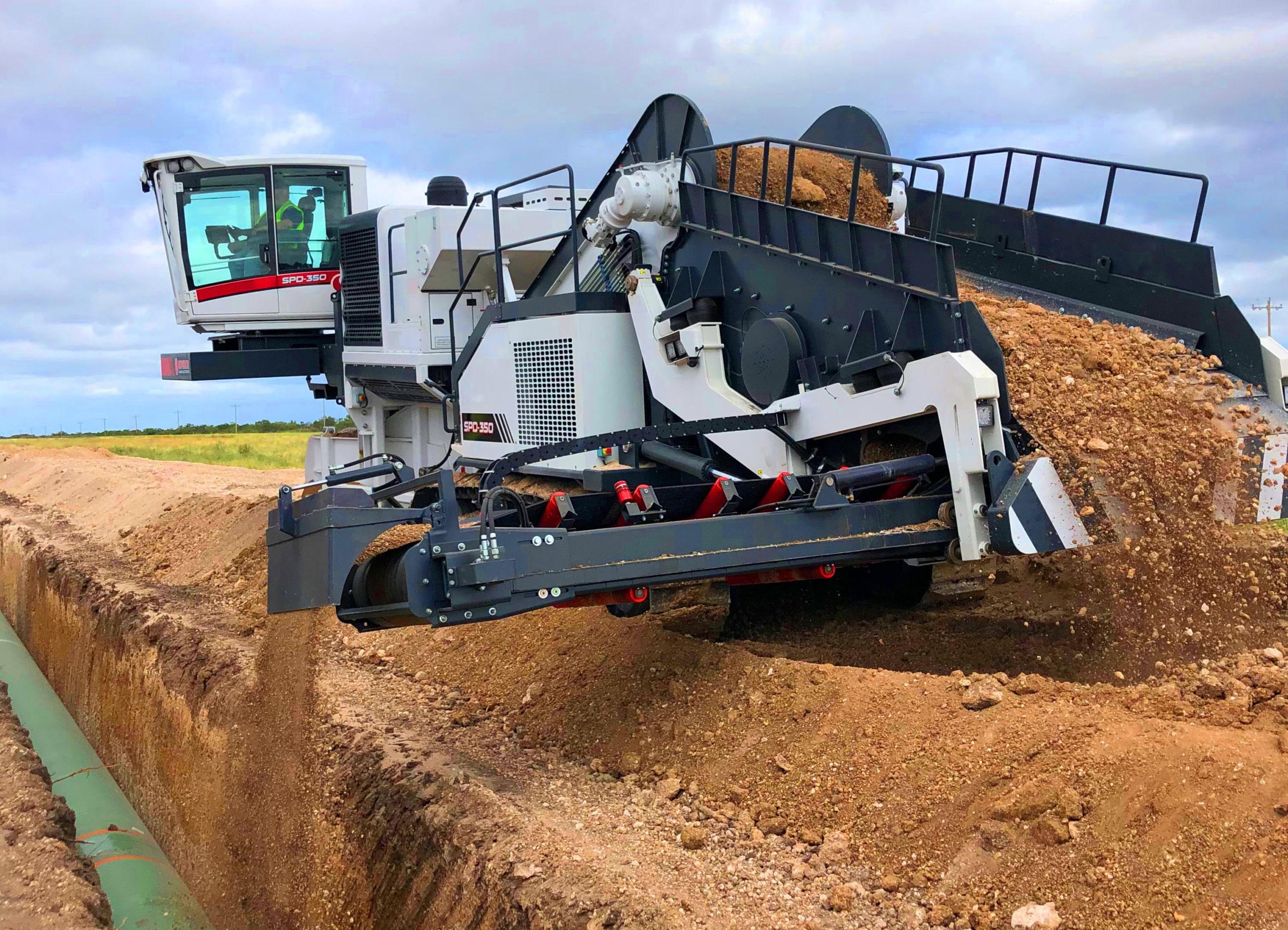
Review of Oil Field Equipment
As the demand for oil remains to grow, recognizing the equipment used in oil fields comes to be increasingly vital. Oil field equipment includes a variety of machinery and devices essential for expedition, extraction, and processing. Secret components consist of drilling rigs, which are critical for getting to oil tanks, and manufacturing devices, such as separators and pumps, that promote the extraction process. Superior Rentals Contact. Furthermore, storage tanks play a substantial function in holding unrefined oil before transportation. Security equipment, including blowout preventers and pressure determines, guarantees operational safety and effectiveness. Each tool functions cohesively to optimize manufacturing and maintain reliable operations. Knowledge with this equipment is necessary for experts in the industry to guarantee successful procedures and adherence to safety requirements
Types of Drilling Rigs and Their Applications
Drilling rigs offer as the backbone of oil removal operations, with numerous kinds created for certain geological problems and functional demands. The most usual kinds consist of rotating exploration rigs, which utilize a turning drill little bit to pass through the earth, and wire device rigs, known for their percussion drilling method. For offshore procedures, jack-up rigs and semi-submersible rigs give stability and support in marine environments. In addition, directional boring rigs allow operators to pierce at angles, getting to deposits that are not up and down available. Each rig kind has special benefits, optimizing efficiency and safety based on the exploration environment. Choosing the proper gear is important for taking full advantage of resource extraction while decreasing environmental impact and functional prices.

Crucial Pipeline Equipment and Their Features
Pipeline facilities is necessary for the transportation of oil and gas from extraction websites to refining facilities and end-users. Different crucial tools elements facilitate this process. Pipelines themselves work as the main conduits, designed to hold up against high stress and destructive substances. Pump useful link terminals are important for preserving flow by boosting pressure along the pipeline. Valves play a crucial function in regulating flow and separating sections for upkeep. Furthermore, installations and connectors guarantee secure joints in between pipeline sections. Checking systems, including flow meters and pressure sensing units, are important for detecting leakages and enhancing flow prices. Finally, pigging equipment is utilized for upkeep and cleansing, securing pipeline honesty and effectiveness. With each other, these components develop the foundation of a dependable pipeline system.
Innovations and Technologies in Oil and Gas Equipment

Safety And Security and Maintenance Practices in the Oil Sector
While the oil market has made significant strides in technology and efficiency, the value of durable safety and security and maintenance methods can not be overemphasized. Reliable safety methods are vital to protect employees and the setting, minimizing the risk of mishaps and spills. Normal assessments and upkeep of tools aid identify possible problems prior to they escalate, guaranteeing functional integrity. Training programs for workers are vital, highlighting the relevance of safety and security understanding and emergency situation response use this link treatments. Additionally, adherence to market policies and criteria fosters a culture of security. Carrying out sophisticated surveillance innovations can even more boost maintenance practices, enabling real-time analyses of devices problems. Inevitably, focusing on security and upkeep is essential to the sustainability and success of the oil industry.
Often Asked Concerns
What Are the Environmental Influences of Oil Field Equipment?
The ecological impacts of oil field equipment include habitat devastation, water contamination, and air pollution (Superior Rentals reviews). In addition, tools malfunction can bring about spills, adversely impacting wild animals and communities, highlighting the demand for stringent laws and monitoring
How Is Oil Field Equipment Transferred to Remote Locations?
Transporting oil field equipment to remote areas often entails specific automobiles, helicopters, or barges. Logistics firms coordinate paths, guaranteeing devices shows up securely and efficiently, unclog main sewer line considering surface and availability to minimize delays and optimize efficiency.
What Governing Specifications Govern Oil Field Equipment?
Governing requirements regulating oil field equipment primarily consist of safety, environmental management, and operational efficiency standards. Agencies such as OSHA and EPA enforce these guidelines to ensure secure methods and minimize ecological impact in oil extraction operations.
What Skills Are Required to Run Oil Field Equipment?
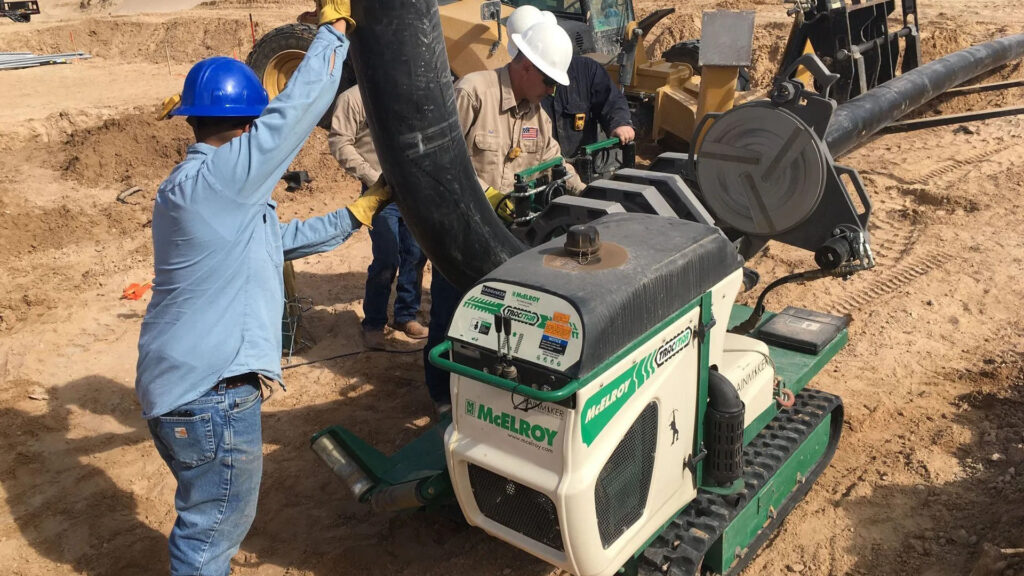
Exactly How Do Oil Prices Influence Equipment Need and Use?
Oil costs greatly influence tools need and usage. Higher rates typically cause increased exploration and manufacturing tasks, driving demand for machinery. Conversely, reduced prices might lead to lowered operations and decreased requirement for tools.